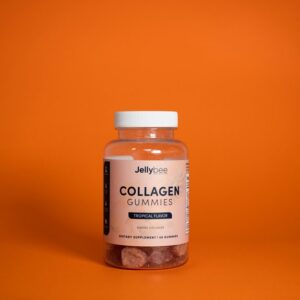
Did you know that about 30% of the body’s protein is collagen? This essential component plays a significant role in skin elasticity, joint function, and hair strength. Many people turn to collagen supplements, hoping to boost their health and appearance. But do these products really deliver on their promises? Understanding the science behind collagen and its effects on your body can help you make informed decisions about supplementation.
Key Takeaways
- Collagen supplements can enhance skin elasticity and hydration, with studies showing a 15% improvement in skin elasticity after 8 weeks of use.
- Types I and III collagen are particularly beneficial for skin health, while Type II supports joint function and may alleviate pain.
- Research indicates collagen supplements may reduce wrinkle depth by up to 20% in 12 weeks, improving overall skin appearance.
- Collagen plays a crucial role in maintaining joint health, potentially reducing pain and improving mobility for individuals with osteoarthritis.
- A balanced diet and hydration are essential for optimal collagen synthesis, complementing the benefits of supplementation.
Understanding Collagen: What Is It and Why Is It Important?
Collagen is an essential protein that serves as a building block for your skin, bones, muscles, and connective tissues. It provides structure and elasticity, helping your skin stay firm and youthful. As you age, your body produces less collagen, leading to wrinkles, joint pain, and weaker bones. This decline can affect not just your appearance but also your overall well-being. Understanding collagen’s role is vital if you aim to support not only yourself but also those around you. By promoting collagen health through diet or supplements, you can enhance skin hydration, improve joint function, and strengthen hair and nails. By prioritizing collagen, you’re investing in better health for yourself and enabling you to serve others more effectively.
The Science of Collagen Supplements: How Do They Work?
While many people seek ways to enhance their health and appearance, collagen supplements have gained attention for their potential benefits. These supplements typically contain hydrolyzed collagen, which your body can easily absorb. Once ingested, they break down into amino acids that your body uses to produce collagen naturally. This process can stimulate your body’s collagen synthesis, potentially improving skin, joints, and hair health. Research suggests that these amino acids may also support the repair of connective tissues and enhance overall cellular function. However, individual results can vary, and it’s important to approach collagen supplementation as part of a holistic health strategy. Always consult with a healthcare professional before starting any new supplement regimen to verify it’s right for you.
Evidence for Collagen’s Effect on Skin Elasticity
When considering ways to improve skin elasticity, there’s growing evidence that collagen supplements can play a significant role. Studies show that taking collagen may enhance skin hydration, reduce wrinkles, and increase elasticity. For example:
| Study Type | Key Finding | Duration |
|---|---|---|
| Clinical Trial | Improved skin elasticity by 15% | 8 weeks |
| Meta-Analysis | Decreased wrinkle depth by 20% | 12 weeks |
| Cohort Study | Enhanced hydration levels | 6 months |
These findings suggest that collagen supplementation can be a viable option for those looking to enhance their skin’s appearance. By incorporating collagen into your routine, you might not only see improvements in elasticity but also contribute positively to your overall skin health.
Collagen and Joint Health: Can It Make a Difference?
Collagen plays an essential role in maintaining joint health by providing structure to cartilage and supporting overall joint function. Research suggests that collagen supplements might help reduce joint pain and improve mobility, particularly in individuals with osteoarthritis. It’s also worth considering the benefits of natural collagen sources, such as bone broth, alongside these supplements.
Collagen’s Role in Joints
Joint health is essential for maintaining mobility and overall quality of life. Collagen serves as a important component in your cartilage, providing structure and support. As you age, your body produces less collagen, which can lead to joint discomfort and decreased flexibility. By incorporating collagen supplements into your routine, you may help replenish this essential protein and promote joint health. These supplements can potentially aid in reducing inflammation and improving the integrity of your cartilage, making movement more comfortable. If you’re looking to support the joints of those you care for, consider emphasizing collagen’s benefits in your discussions. While individual results may vary, fostering joint health through collagen could greatly enhance the quality of life for you and those around you.
Evidence From Studies
Research indicates that collagen supplements can have a positive impact on joint health, particularly in reducing pain and improving function. Various studies have shown promising results that you might find beneficial. Here are some key takeaways:
- Pain Reduction: Many participants reported decreased joint pain after taking collagen supplements for just a few weeks.
- Increased Mobility: Users often experienced improved joint function, helping them return to daily activities with more ease.
- Support for Cartilage: Research suggests collagen may help maintain cartilage integrity, which is essential for joint health.
These findings suggest that incorporating collagen supplements could be a valuable addition to your routine, especially if you’re looking to support joint health for yourself or those you care for.
Supplements vs. Natural Sources
When considering how to enhance joint health, it’s important to weigh the benefits of collagen supplements against natural sources of collagen found in food. Supplements can provide a concentrated dose, potentially improving joint function and reducing pain. However, incorporating natural sources—like bone broth, chicken skin, and fish—offers additional nutrients that support overall health. Foods rich in vitamin C, such as citrus fruits and leafy greens, also aid collagen synthesis in your body. While supplements may offer convenience, opting for a balanced diet guarantees you receive a variety of beneficial compounds. For those seeking to support joint health effectively, combining both supplements and natural sources may be the best approach, allowing you to serve your body’s needs holistically.
The Impact of Collagen on Hair Growth and Strength
Collagen plays an essential role in maintaining the structure and strength of your hair. Research suggests that increased collagen levels can enhance hair health by improving elasticity and reducing breakage. If you’re looking to boost your locks, understanding the benefits of collagen might be key.
Collagen’s Role in Hair
While many factors contribute to hair health, collagen plays an essential role in promoting hair growth and strength. This crucial protein helps maintain the structure of your hair follicles, ensuring they remain robust and less prone to damage. When you incorporate collagen into your routine, you may notice several benefits:
- Enhanced elasticity: Collagen can improve hair flexibility, reducing breakage.
- Stronger hair strands: With sufficient collagen, your hair may become thicker and more resilient.
- Improved scalp health: Collagen supports the scalp’s overall health, creating a better environment for hair growth.
Benefits for Hair Health
Although various factors influence hair health, incorporating collagen into your routine can considerably enhance hair growth and strength. Collagen provides essential amino acids, which are essential for producing keratin, the protein that makes up your hair. Studies suggest that collagen peptides may stimulate hair follicles, promoting thicker and healthier strands. Additionally, collagen’s antioxidant properties can help combat oxidative stress, a significant factor in hair loss. By supporting the dermal matrix, collagen can improve overall scalp health, which is fundamental for ideal hair growth. When you prioritize collagen in your diet, whether through supplements or collagen-rich foods, you’re not just nourishing your hair; you’re also providing the foundation for stronger and more resilient locks, benefitting both yourself and those you serve.
Types of Collagen Supplements: Which One Should You Choose?
When it comes to choosing a collagen supplement, understanding the different types available can make a significant difference in achieving your health goals. Here are three common types to take into account:
- Type I: This type is most abundant in the body and primarily supports skin, hair, and nails. It’s ideal if you’re focused on beauty benefits.
- Type II: Found mainly in cartilage, it’s great for joint health. If you’re active or concerned about arthritis, this might be your go-to.
- Type III: Often found alongside Type I, it supports skin elasticity and overall structural integrity. It’s beneficial for those looking for extensive skin support.
Potential Side Effects and Risks of Collagen Supplementation
As you consider incorporating collagen supplements into your routine, it’s essential to be aware of potential side effects and risks associated with their use. While generally regarded as safe, some individuals may experience digestive issues like bloating or diarrhea. Allergic reactions could also occur, particularly if you’re sensitive to the source of the collagen, such as fish or eggs. Additionally, excessive intake may lead to imbalances in amino acids, affecting overall health. If you have specific health conditions or are pregnant, consulting a healthcare professional before starting any supplement is vital. Being informed not only protects your well-being but also allows you to serve others effectively by sharing accurate information about collagen supplementation.
Dietary Sources of Collagen: Can You Get Enough From Food?
Wondering if you can get enough collagen from your diet? While collagen-rich foods can help, dietary sources don’t contain collagen in its complete form. Instead, you can support your body’s collagen production through a variety of nutrient-dense foods. Here are some great options:
- Bone broth: Rich in collagen and amino acids, it’s excellent for your joints and skin.
- Fish and shellfish: These are packed with collagen and omega-3 fatty acids, promoting overall skin health.
- Chicken: The connective tissues are full of collagen, making it a great source.
Making Informed Choices: Do You Really Need Collagen Supplements?
While dietary sources like bone broth, fish, and chicken can support your body’s collagen production, many people still consider collagen supplements to boost their intake. Before deciding, evaluate your specific needs and dietary habits. Research suggests that collagen supplements may improve skin elasticity and joint health, but results can vary. If you’re already consuming a balanced diet rich in vitamins and nutrients, you might not need additional supplementation. It’s important to consult a healthcare professional to determine if collagen supplements align with your health goals. Remember, supplements aren’t a magic solution; they should complement a healthy lifestyle. Prioritize whole foods and hydration, as these play crucial roles in your overall well-being and collagen synthesis.
Conclusion
In summary, collagen supplements can be an enchanting choice for those seeking skin smoothness, joint joy, and hair health. While many studies support their benefits, results vary from person to person, so it’s essential to consult a healthcare professional before diving in. Ultimately, understanding your unique needs and exploring various sources—both supplements and dietary—can help you make informed, impactful decisions about your collagen journey. Embrace the possibilities and enhance your health holistically!